





You have got a fresh tattoo, you have been following your aftercare routine, and then one morning you notice raised bumps on your inked skin. Before you spiral into panic, take a breath. Bumps on tattoos are surprisingly common, and most causes are easily treatable. This guide will help you figure out exactly what is going on and what to do about it.
Heat Rash: The Most Common Culprit in India
Living in a tropical country means heat rash is the number one cause of tattoo bumps, especially if you got inked between March and September.
- What it looks like: Small, red, prickly bumps clustered around the tattooed area. They may extend slightly beyond the tattoo borders.
- Why it happens: When sweat gets trapped under the skin, it causes inflammation. A healing tattoo with its compromised skin barrier is especially vulnerable. Indian summers with temperatures exceeding 40 degrees Celsius make this almost inevitable for fresh tattoos.
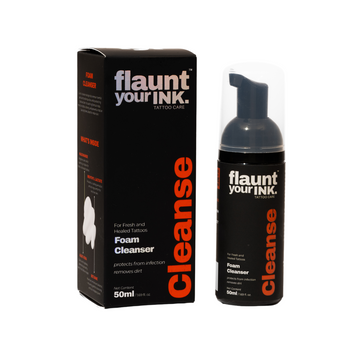
- How to fix it: Stay in cool, air-conditioned environments as much as possible. Wear loose, breathable cotton clothing. Wash the area gently with a foam cleanser to remove sweat and bacteria, then let the skin air dry before applying a thin layer of healing gel. Avoid heavy creams or petroleum-based products that trap more heat.
- Prevention: If you are planning a tattoo during Indian summers, schedule your sessions for cooler evening hours and ensure your home has adequate ventilation during the healing period.
Allergic Reaction to Ink
Some ink pigments can trigger allergic responses in the skin, sometimes appearing weeks or even months after the tattoo was done.
- What it looks like: Raised, itchy bumps confined specifically to one colour in the tattoo. Red and yellow pigments are the most common triggers, though any colour can cause a reaction.
- Why it happens: Certain ink compounds contain metals or chemical additives that the immune system identifies as foreign invaders. The body mounts a localised allergic response, causing swelling and bumps.
- How to fix it: Mild reactions can be managed with antihistamine tablets (available over the counter at any Indian pharmacy) and keeping the area clean and moisturised. If the bumps persist for more than two weeks, become painful, or start oozing, visit a dermatologist. They may prescribe a topical corticosteroid cream.
- Prevention: Ask your tattoo artist about the ink brands they use. Reputable artists in India use imported, certified inks. If you have sensitive skin or a history of allergies, request a patch test with the inks before your session.
Bacterial Infection
This is the one to take seriously. While relatively uncommon with proper aftercare, infections can happen, especially in dusty or humid Indian environments.
- What it looks like: Red, swollen bumps that are warm to the touch and increasingly painful. You may notice pus, yellow or green discharge, red streaks extending from the tattoo, or a fever.
- Why it happens: Bacteria enter the open wound through dirty hands, contaminated water, unsanitary bandages, or environmental exposure. Commuting through polluted city streets with an uncovered fresh tattoo significantly raises the risk.
- How to fix it: If you suspect infection, see a doctor immediately. Do not try to treat a genuine infection at home with over-the-counter products. A doctor will likely prescribe oral antibiotics and a medicated topical cream. In the meantime, keep the area clean with a gentle cleanser and do not apply any heavy products.
- Prevention: Always wash your hands before touching your tattoo. Use a clean foam cleanser instead of bar soap. Change your bedsheets every 2 to 3 days during healing. If you ride a motorcycle or auto-rickshaw through dusty roads, loosely cover the tattoo with a clean cotton cloth.
Overmoistourising
Yes, too much of a good thing can cause problems. This is one of the most common mistakes people make in India, especially those using heavy oils and creams.
- What it looks like: Small, whitehead-like bumps across the tattooed area. The skin may look shiny, overly soft, or waterlogged.
- Why it happens: Applying too much product, too frequently, or using products that are too heavy (like coconut oil, ghee, or thick body butters) suffocates the skin. Pores get clogged, and tiny breakouts appear.
- How to fix it: Scale back your moisturising. Switch to a lightweight, non-comedogenic tattoo moisturiser and apply only a thin layer. Let the skin breathe between applications. Wash off excess product with your cleanser.
- Prevention: Less is more when it comes to tattoo aftercare. A rice-grain-sized amount of product for every few square inches of tattoo is sufficient. In humid cities like Mumbai or Kolkata, you may need even less.
Ingrown Hairs
As your skin heals and hair begins to regrow through the tattooed area, ingrown hairs can cause noticeable bumps.
- What it looks like: Individual, raised bumps with a visible hair trapped beneath the surface or curling back into the skin. They are often slightly red with a small white or dark centre.
- Why it happens: The tattooing process removes surface hair, and as it grows back through healing skin, it can become trapped or curl inward. People with coarse or curly body hair are more prone to this.
- How to fix it: Do not squeeze, pluck, or dig at ingrown hairs on a healing tattoo. Keep the area clean and moisturised. Most ingrown hairs resolve themselves within a week. If one becomes infected (red, painful, and pus-filled), apply a warm compress for 10 minutes twice daily to help it surface naturally.
- Prevention: Do not shave the tattooed area during healing. Once fully healed, exfoliate gently before shaving to prevent future ingrowns.
Contact Dermatitis
Your skin may react to something external that is touching the tattoo, rather than to the tattoo itself.
- What it looks like: A patchy, red rash with small bumps, often itchy and sometimes flaky. It may extend beyond the boundaries of the tattoo.
- Why it happens: Common triggers include synthetic fabrics, laundry detergent residue, fragranced lotions, low-quality cling wrap, or even adhesive bandages. Some Indian laundry detergents contain strong optical brighteners that irritate healing skin.
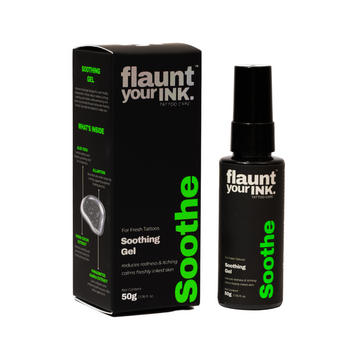
- How to fix it: Identify and eliminate the irritant. Switch to fragrance-free, hypoallergenic laundry detergent for your clothes and bedsheets. Use only product specifically designed for tattooed skin, like the Flaunt Your Ink Soothing Gel.
- Prevention: Wash all new clothes before wearing them over a fresh tattoo. Use soft, washed cotton fabrics. Avoid synthetic or polyester clothing directly on the tattoo.
When to See a Dermatologist
While most bumps are harmless and resolve with simple adjustments, certain signs require professional medical attention:
- Bumps that grow larger over time or spread beyond the tattoo
- Any discharge that is yellow, green, or foul-smelling
- Fever, chills, or red streaks radiating from the tattoo
- Bumps that last longer than 2 to 3 weeks without improvement
- Severe pain that worsens rather than improves
- Skin that feels hot to the touch days after the tattoo session
Consult a dermatologist rather than a general practitioner if possible. Dermatologists in most Indian cities are experienced with tattoo-related skin issues and can provide targeted treatment.
Building a Bump-Proof Aftercare Routine
The best way to deal with tattoo bumps is to prevent them in the first place. Here is a simple, effective routine:
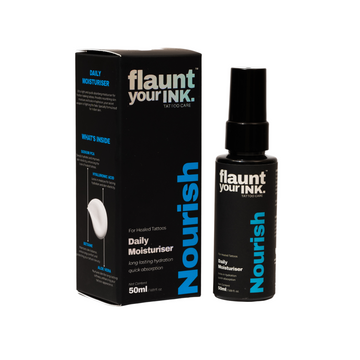
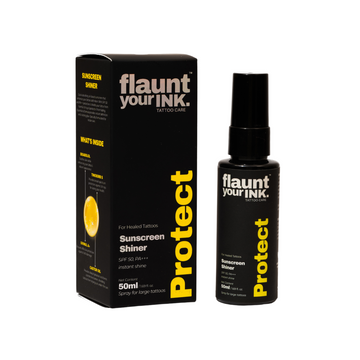
- Morning: Wash with foam cleanser, pat dry, apply a thin layer of healing gel (for fresh tattoos) or moisturiser (for healing or healed tattoos), and apply sunscreen if stepping out.
- Midday: If sweating heavily, rinse the tattoo with clean water and reapply product.
- Evening: Wash again with cleanser to remove the day's sweat, dust, and pollution. Apply gel or moisturiser and let the skin breathe overnight.
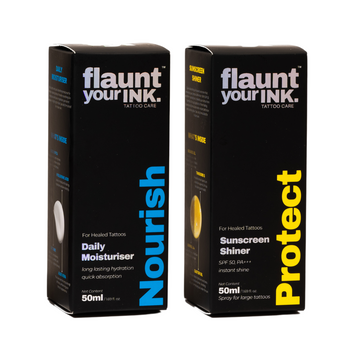
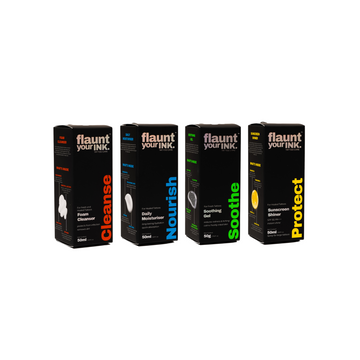
The Aftercare Duo from Flaunt Your Ink gives you everything you need for the first two weeks, when the risk of bumps is highest. For long-term care, the Complete Kit covers all stages of healing and maintenance.