





You have survived the tattoo session, made it through the first day of aftercare, and now it is time for the part nobody warns you about: sleeping with a fresh tattoo. Between sticking to sheets, accidentally rolling over in your sleep, and waking up to ink stains on your bedding, the first few nights can feel like a puzzle. Here are seven practical tips to help you sleep comfortably and heal properly, with specific advice for dealing with Indian summers and monsoon humidity.
1. Master Your Sleeping Position
The golden rule is simple: do not sleep directly on your fresh tattoo. Pressure against the tattooed skin can push out ink, increase swelling, and cause the wound to stick to your sheets.
- Arm or forearm tattoo: Sleep on the opposite side with your tattooed arm resting freely on a pillow or above the blanket. Keep the arm slightly elevated to reduce overnight swelling.
- Back tattoo: Sleep on your stomach or side for the first week. This is tough for habitual back sleepers, so prop a pillow against your side to prevent rolling over during the night.
- Chest or stomach tattoo: Sleep on your back. Use pillows on either side of your body to keep yourself from turning in your sleep.
- Leg or thigh tattoo: Sleep on your back or the opposite side. Place a pillow between your legs to prevent the tattooed leg from pressing against the other one, which can cause sticking and irritation.
- Rib or side tattoo: Sleep on the opposite side. These tattoos are particularly sensitive, so avoid any pressure for the full first week.
If you are a restless sleeper who moves around a lot, consider sleeping on a mattress on the floor for the first few nights. The firmer surface reduces tossing and turning compared to a bouncy bed.
2. Choose the Right Bedding
Your choice of sheets matters more than you might think during tattoo healing.
- Use old, dark-coloured cotton sheets. Fresh tattoos ooze ink, plasma, and healing gel during the first few nights. Your favourite white bedsheet will end up stained. Designate an old, dark cotton sheet as your healing sheet for the first two weeks.
- Avoid synthetic fabrics. Polyester and satin sheets trap heat and do not absorb moisture. In Indian weather, this creates a sticky, uncomfortable environment for your tattoo. Stick with 100 percent cotton.
- Change your sheets every 2 to 3 days. Bacteria, dead skin cells, and dried plasma accumulate on bedding. During the Indian monsoon, when humidity makes everything damp, changing sheets frequently is especially important.
- Consider covering your pillow. If your tattoo is on your arm or hand, your pillow will likely come into contact with it. Wrap the pillow in an old cotton t-shirt that you can change daily.
3. To Wrap or Not to Wrap
This is one of the most debated topics in tattoo aftercare. Here is a straightforward answer based on what works best in India.
- First night only: Many tattoo artists recommend re-wrapping the tattoo with clean cling film for the first night to prevent it from sticking to your sheets and to contain the oozing. If your artist advised this, follow their instructions.
- After the first night: Stop wrapping. Your tattoo needs airflow to heal properly. In Indian humidity, wrapping a tattoo creates a warm, moist pocket that is a perfect breeding ground for bacteria.
- Exception for adhesive film: If your artist applied a medical-grade adhesive film (like Saniderm or Dermalize), you can sleep with it on for up to 3 to 5 days. This type of film is breathable and specifically designed for wound healing.
- The t-shirt trick: If you are worried about sticking without wrapping, wear a clean, loose, old cotton t-shirt over the tattoo. It provides a barrier without sealing in moisture.
4. Prevent Sticking and Peeling
Waking up to find your sheet glued to your tattoo is uncomfortable and potentially damaging. Here is how to prevent it.
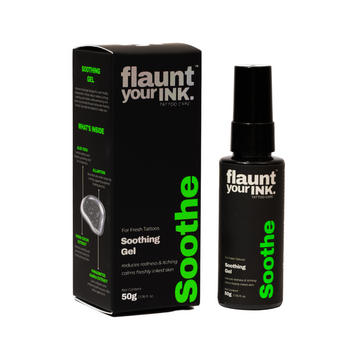
- Apply a thin layer of healing gel before bed. This creates a light protective layer that prevents direct contact between your skin and the sheets. Do not overdo it, as too much product causes its own problems.
- If your sheet does stick: Do not rip it off. Wet the stuck area with lukewarm water and let it soak for a minute. The sheet will release gently without pulling off scabs or ink.
- Sleep on a clean towel: For the first 3 to 4 nights, place a clean cotton towel on top of your sheet where the tattoo will rest. Towels are easier to change daily and cost less to replace if stained.
5. Your Bedtime Cleaning Routine
Never go to bed with a dirty tattoo. After a full day in Indian traffic, pollution, and heat, your tattoo has accumulated sweat, dust, and bacteria that need to be washed off before sleep.
- Step 1: Wash your hands thoroughly with soap and water.
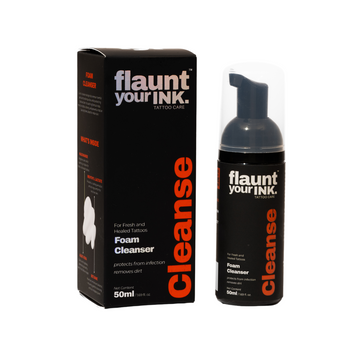
- Step 2: Gently wash the tattoo with lukewarm water and tattoo foam cleanser. Use your fingertips in soft, circular motions. Never use a washcloth or loofah on a healing tattoo.
- Step 3: Rinse all cleanser residue completely. Any product left on the skin overnight can cause irritation.
- Step 4: Pat dry with a clean paper towel or let it air dry for 5 to 10 minutes.
- Step 5: Apply a thin layer of healing gel once the skin is fully dry.
- Step 6: Wait 5 minutes for the product to absorb before lying down. This prevents the gel from transferring entirely onto your sheets.
This routine takes less than 10 minutes and makes a significant difference in healing quality. The Aftercare Duo includes both the foam cleanser and healing gel you need for this nightly routine.
6. Climate Control for Indian Summers and Monsoons
Sleeping environment plays a huge role in tattoo healing, and Indian weather presents unique challenges.
- Air conditioning: If you have AC, use it. A cool room (22 to 24 degrees Celsius) reduces sweating and keeps your tattoo dry overnight. However, do not point the AC directly at the tattoo as the cold blast can dry out the skin excessively.
- Ceiling fans: If AC is not available, ceiling fans are the next best option. Keep the fan on medium speed. High speed can dry out the tattoo, while no fan in summer means you will sweat all over your fresh ink.
- Cooler or desert cooler: If you use an evaporative cooler, be aware that it increases room humidity. In monsoon season, this added moisture can slow tattoo healing. Try to maintain a balance between staying cool and keeping humidity under control.
- Monsoon tip: During the rainy season, rooms in Indian homes can become damp and musty. Use a dehumidifier if possible, or at minimum ensure good ventilation. Fungal infections thrive in humidity and can affect healing tattoos.
- Mosquitoes: This is a uniquely Indian problem. Mosquito bites on or near a healing tattoo are dangerous as scratching can damage the tattoo and introduce bacteria. Use a mosquito net instead of repellent creams, which contain chemicals that should not be applied near healing skin. Electronic mosquito repellent devices (like the liquid vaporiser machines common in Indian homes) are a safe alternative.
7. Your Morning After Routine
How you care for your tattoo when you wake up sets the tone for the entire day of healing.
- Step 1: Check for sticking. If any fabric is attached to the tattoo, wet it with lukewarm water before gently separating.
- Step 2: Wash the tattoo with foam cleanser to remove dried plasma, sweat, and any product residue from the night.
- Step 3: Pat dry and let the skin breathe for 5 to 10 minutes.
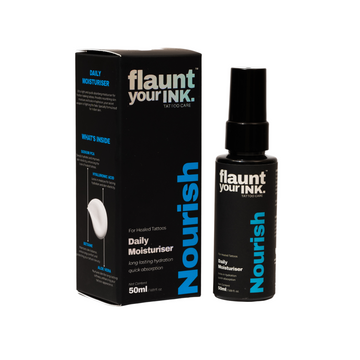
- Step 4: Apply healing gel (for tattoos under 2 weeks old) or daily moisturiser (for tattoos in the later healing stages).
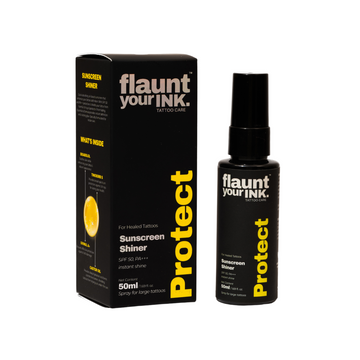
- Step 5: If you are going out and the tattoo is exposed, apply tattoo sunscreen on top of your moisturiser. Even early morning Indian sun delivers UV radiation that can damage healing ink.
- Step 6: Get dressed in loose, clean cotton clothing over the tattoo.
Bonus: What Not to Do at Night
- Do not let pets sleep on or near the tattooed area. Pet hair and dander introduce bacteria.
- Do not sleep in the same bed as someone who might accidentally bump or scratch the tattoo in their sleep. The first week, consider sleeping alone if possible.
- Do not use heating pads or hot water bottles near the tattoo. Heat increases swelling and blood flow to the area.
- Do not sleep with heavy blankets directly on the tattoo. In winter, use a light cotton sheet as the base layer and pile heavier blankets on top, keeping the tattooed area under only the light sheet.
- Do not skip your bedtime cleaning routine, no matter how tired you are. Two minutes of washing can prevent days of infection treatment.
The Right Products for Overnight Healing
Having the right products on your bedside table makes nighttime aftercare effortless:
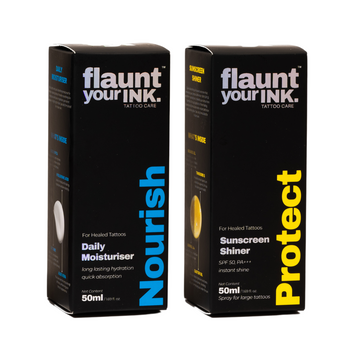
- The Aftercare Duo covers your first two weeks with a cleanser and healing gel that are perfect for the bedtime and morning routines described above.
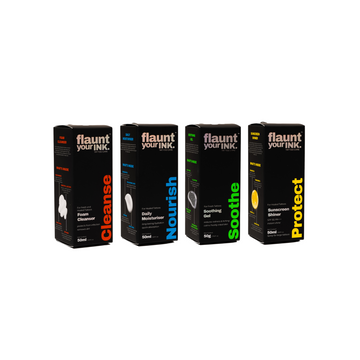
- For complete coverage from Day 1 through full healing, the Complete Kit includes the cleanser, healing gel, moisturiser, and sunscreen, so you are set for both night and day care.
- Once healed, maintain your tattoo's vibrancy with the Fade Protection Set, which keeps your ink looking fresh year-round.
The first week of nights is the trickiest, but it gets easier fast. Follow these tips, keep your bedding clean, and your tattoo will heal beautifully while you get the rest you need.