





In India, coconut oil is practically sacred. It is the go-to remedy for dry skin, hair care, cooking, and just about everything else. So when someone gets a fresh tattoo and their skin feels tight and dry, the instinct is obvious: reach for the coconut oil. But is that actually a good idea? Let us break down what dermatologists and tattoo artists say about using coconut oil on inked skin.
Why Coconut Oil Feels Like the Right Choice
There is no denying that coconut oil has genuine skincare benefits. It is rich in lauric acid, which has antimicrobial properties. It is an excellent emollient that locks in moisture. Generations of Indian families have used it for everything from baby massage to treating minor burns. It is natural, affordable, and available in every kirana store across the country.
With credentials like that, it seems like the perfect tattoo aftercare product. But tattoo healing is not the same as regular skincare, and what works on undamaged skin can cause problems on a fresh tattoo.
The Problem with Coconut Oil on Fresh Tattoos
A fresh tattoo is an open wound with thousands of tiny needle punctures in the skin. Here is where coconut oil becomes risky:
- It is highly comedogenic. Coconut oil scores 4 out of 5 on the comedogenic scale, meaning it is very likely to clog pores. On a healing tattoo, clogged pores can lead to pimples, bumps, and trapped bacteria beneath the skin surface.
- It forms a thick barrier. While barrier creams have their place, coconut oil creates a heavy, occlusive layer that can suffocate healing skin. Tattoos need to breathe during the first two weeks of recovery.
- It traps heat and sweat. In Indian summers, temperatures routinely cross 40 degrees Celsius. A thick layer of coconut oil on a fresh tattoo traps sweat against the wound, creating a warm, moist environment where bacteria thrive.
- Unrefined variants carry impurities. Cold-pressed coconut oil from local markets, while great for cooking, may contain plant particulates and microbes that you do not want on broken skin.
- It can pull ink. During the first few days when ink is still settling into the dermis, heavy oils can draw pigment out of the skin, leading to patchy healing.
When Coconut Oil Might Be Acceptable
Coconut oil is not universally bad for tattoos. There are specific situations where it can work:
- On fully healed tattoos (8 weeks and older): Once your skin has completely regenerated, coconut oil can serve as an occasional moisturiser. The pore-clogging risk drops significantly on intact skin.
- As a winter supplement: During dry Delhi or Rajasthan winters, a thin layer of coconut oil on a healed tattoo can prevent cracking and flaking. Use it sparingly and wash it off after a few hours.
- For older, faded tattoos: If you have a years-old tattoo that looks dry, coconut oil can temporarily improve its appearance by hydrating the top layer of skin. However, a dedicated tattoo moisturiser will deliver better, longer-lasting results.
What Dermatologists Recommend Instead
Dermatologists consistently recommend purpose-formulated tattoo aftercare products over home remedies. Here is why:
- Controlled formulation: Tattoo-specific moisturisers are designed to hydrate without clogging pores. They are non-comedogenic, meaning they will not cause breakouts on healing skin.
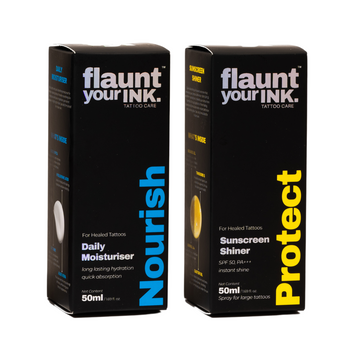
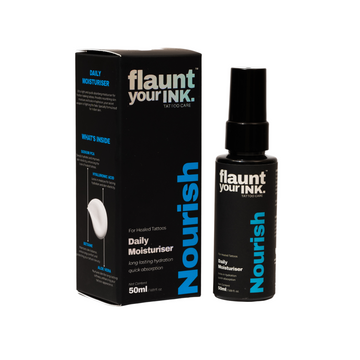
- Lightweight absorption: Unlike coconut oil that sits on the surface, products like the Flaunt Your Ink Daily Moisturiser absorb into the skin quickly, delivering hydration where it is actually needed.
- pH balanced: Healing skin is sensitive to pH changes. Commercial tattoo aftercare products are formulated to match the skin's natural pH level, reducing irritation.
- Tested for safety: Reputable tattoo aftercare brands test their products specifically on healing tattooed skin. Your grandmother's coconut oil, however excellent it may be, was not designed for this purpose.
- Climate appropriate: A good tattoo moisturiser works in Indian heat without feeling greasy or trapping sweat. This is something coconut oil simply cannot do.
Other Indian Home Remedies to Avoid on Fresh Tattoos
While we are on the topic, here are other common Indian remedies that should stay away from your fresh tattoo:
- Turmeric (haldi) paste: Yes, turmeric is anti-inflammatory, but it can stain your tattoo yellow and irritate open skin.
- Aloe vera straight from the plant: Raw aloe can contain bacteria and irritants from the outer rind. If you want aloe-based care, use a commercially prepared product that has been purified.
- Ghee: Even heavier than coconut oil. It will absolutely clog your pores and attract dust in Indian conditions.
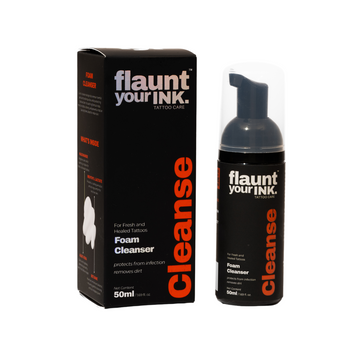
- Dettol or Savlon: These antiseptics are too harsh for tattooed skin and can cause chemical burns on the delicate healing area. Use a gentle foam cleanser designed for tattoo aftercare instead.
- Multani mitti or besan packs: Clay and grain-based packs are drying and abrasive. They will pull moisture from healing skin and can damage the tattoo.
The Right Aftercare Routine for Indian Skin
Here is what actually works for tattoo healing in Indian conditions:
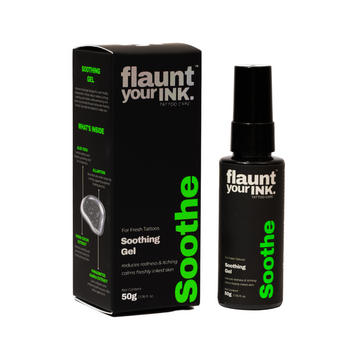
- Weeks 1 to 2: Wash 2 to 3 times daily with a tattoo foam cleanser, then apply healing gel. The Aftercare Duo includes both products and is specifically designed for this critical phase.
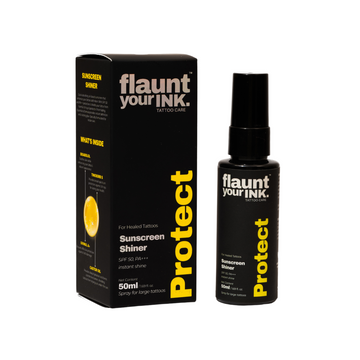
- Week 3 onwards: Switch to a lightweight tattoo moisturiser and start using tattoo sunscreen before any sun exposure.
- Long-term: Moisturise daily and apply sunscreen whenever the tattoo is exposed. The Fade Protection Set simplifies this into a two-step routine.
The Bottom Line
Coconut oil is a wonderful product with many legitimate uses. Healing a fresh tattoo is not one of them. The risks of clogged pores, trapped bacteria, and ink pulling are too significant, especially in India's warm and humid climate. Save the coconut oil for your hair and cooking, and give your tattoo the specialised care it deserves.
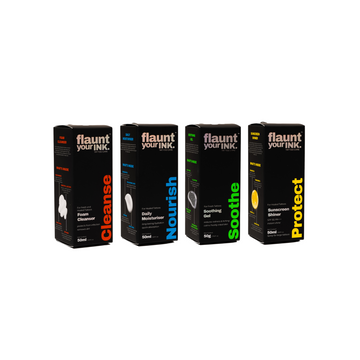
If you are looking for an affordable, effective alternative that is specifically made for tattooed skin, explore the Complete Kit from Flaunt Your Ink. It covers every stage of healing with products designed for Indian weather conditions.