





So you have decided to get your first tattoo. Congratulations. Whether you have been thinking about it for years or the idea struck you last week, getting inked is a genuinely exciting experience. But in India, where the tattoo industry has grown massively over the past decade, there is a lot to navigate: from picking the right studio in your city to understanding aftercare in our unique climate. This guide covers everything you need to know before, during, and after your first tattoo session.
How to Choose a Tattoo Studio in India
The tattoo industry in India is largely unregulated, which means quality varies enormously from studio to studio. Here is what to look for:
- Hygiene first: This is non-negotiable. The studio should use autoclaved (sterilised) equipment, fresh needles for every client, disposable gloves, and medical-grade surface disinfectants. If you walk in and the workspace looks cluttered or dirty, walk out. No design is worth a skin infection.
- Portfolio review: Every reputable artist maintains a portfolio, usually on Instagram. Look at healed photos, not just fresh ones. Fresh tattoos always look vibrant; the real test is how they look after a few months. Check for clean lines, consistent shading, and colours that hold up over time.
- Artist specialisation: Many Indian tattoo artists specialise in specific styles. If you want a mandala, find someone who does incredible mandalas. If you want realism, do not go to an artist known for traditional work. Specialisation matters enormously in the final result.
- Reviews and word of mouth: Check Google reviews, ask in local tattoo communities on social media, and talk to people who have been tattooed at the studio. Personal recommendations from friends or family members who have fresh ink are incredibly valuable.
- Consultation process: A good studio will offer a consultation before your appointment. This is where you discuss the design, placement, size, and pricing. If a studio pressures you to book immediately without proper discussion, that is a red flag.
Understanding Tattoo Pricing in India
Tattoo pricing in India varies significantly based on the city, the artist's experience, and the complexity of the design. Here is a general range to help you budget:
- Small designs (coin-sized to credit card-sized): Rs 2,000 to Rs 8,000 at reputable studios. Very small minimalist designs may start around Rs 1,500 in smaller cities.
- Medium designs (palm-sized to forearm-length): Rs 8,000 to Rs 25,000 depending on detail and colour work.
- Large designs (half-sleeve, full back panel): Rs 25,000 to Rs 1,00,000 or more. Full sleeves and back pieces from top artists in metro cities can cost several lakhs spread over multiple sessions.
- Hourly rates: Experienced artists in cities like Mumbai, Delhi, and Bangalore typically charge Rs 3,000 to Rs 10,000 per hour.
Be wary of prices that seem too low. A tattoo is permanent, and cheap work often means compromised hygiene, poor-quality ink, or an inexperienced artist. You truly get what you pay for.
Preparing for Your Tattoo Appointment
Good preparation makes the entire experience smoother and less stressful. Here is your pre-appointment checklist:
- Hydrate well: Drink plenty of water for two to three days before your appointment. Well-hydrated skin takes ink much better and heals faster.
- Eat a proper meal: Never go for a tattoo on an empty stomach. Your blood sugar can drop during the session, making you feel dizzy or nauseous. Eat a balanced meal with protein and complex carbohydrates about an hour before.
- Get good sleep: Being well-rested helps your body handle the stress of tattooing and improves your pain tolerance.
- Avoid alcohol and blood thinners: Do not drink alcohol for at least 24 hours before your appointment. Alcohol thins your blood and causes excessive bleeding, which pushes ink out and makes the artist's job harder. Avoid aspirin and ibuprofen as well.
- Moisturise the area: Apply a gentle moisturiser to the tattoo area for a few days before your appointment. Soft, supple skin is much easier to tattoo than dry, flaky skin.
- Shave if needed: Many studios will shave the area for you, but if you prefer to do it yourself, use a clean razor the morning of your appointment. Do not shave the night before as micro-cuts can interfere with the tattooing process.
What to Bring and Wear
- Wear comfortable, loose-fitting clothing that gives easy access to the area being tattooed. If your tattoo is on your forearm, wear a short-sleeved or sleeveless top. If it is on your thigh, wear shorts.
- Bring a phone charger or a book. Longer sessions can take several hours, and having something to distract yourself genuinely helps with managing discomfort.
- Carry a light snack and a water bottle. Glucose biscuits, a banana, or a juice box can be lifesavers during extended sessions.
- Bring a trusted friend if you are nervous, but keep the entourage small. Most studios have limited space, and a crowded room can distract the artist.
- Carry cash or confirm UPI/card payment options beforehand. Not all studios accept digital payments.
What to Expect During the Session
Your artist will begin by cleaning the area and applying a stencil of your design. You will get to see the placement and size on your skin before any needlework begins. This is your chance to ask for adjustments, so do not be shy. Once you approve the stencil, the tattooing starts.
Pain levels vary by body part. Areas with more bone and less flesh (ribs, collarbone, wrists, ankles) tend to hurt more. Fleshy areas (upper arm, outer thigh, calf) are generally more tolerable. Most people describe the sensation as a persistent scratching or vibrating feeling rather than sharp pain. The first few minutes are the most intense as your body adjusts, and it often becomes more manageable after that.
For your first tattoo, consider starting with a small to medium-sized design in a less painful area. This gives you a sense of what the process feels like without committing to a gruelling multi-hour session.
Immediate Aftercare: The First 48 Hours
Your artist will clean your fresh tattoo, apply a thin layer of ointment, and cover it with a bandage or cling wrap. Follow their specific instructions, but here is a general guide:
- Remove the bandage after two to four hours (or as instructed by your artist). Some artists now use breathable medical-grade wraps that can stay on longer.
- Wash the tattoo gently with lukewarm water and a mild tattoo foam cleanser. Use your fingertips, never a washcloth or scrubber. Pat dry with a clean paper towel.
- Apply a thin layer of healing gel. Less is more. A thick layer traps moisture and bacteria.
- Do not re-wrap the tattoo unless your artist specifically tells you to. Your skin needs air to heal.
- Avoid touching your tattoo with unwashed hands. This is how most infections start.
The Products You Actually Need
The Indian market is full of generic aftercare advice that recommends everything from coconut oil to random pharmacy creams. Here is what actually works for tattoo aftercare:
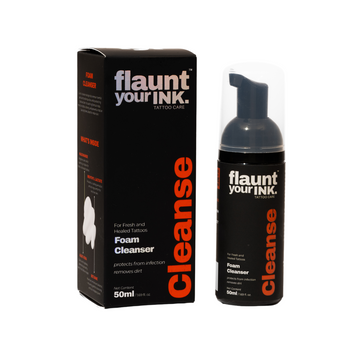
- A gentle, pH-balanced cleanser: Regular soap is too harsh for healing skin. The Flaunt Your Ink Foam Cleanser is designed to clean without stripping moisture.
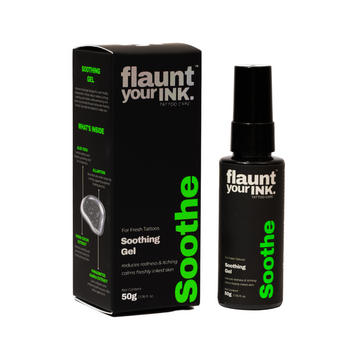
- A lightweight healing gel: The Soothing Gel keeps your tattoo hydrated during the healing phase without clogging pores or creating a greasy barrier.
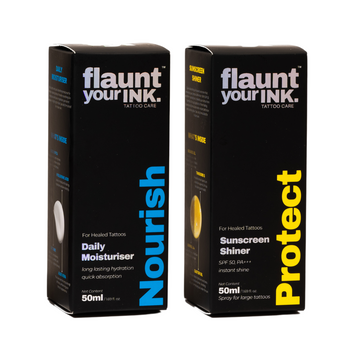
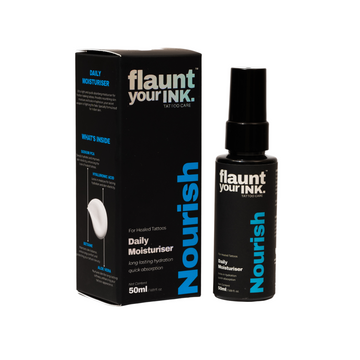
- A daily moisturiser: Once your tattoo is past the initial healing phase (about two weeks), switch to a dedicated tattoo moisturiser for ongoing hydration.
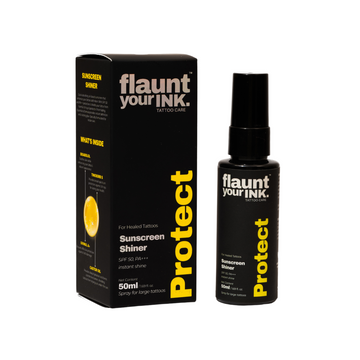
- Sunscreen for healed tattoos: Once fully healed, the Sunscreen Shiner Spray protects your ink from UV damage that causes fading.
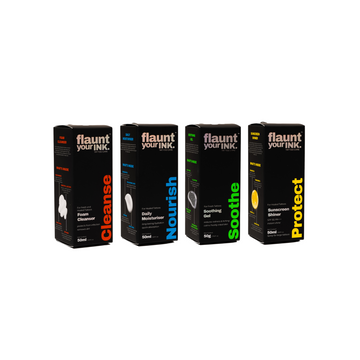
The easiest option is to grab the Complete Tattoo Care Kit, which includes everything you need from day one through long-term maintenance.
Common Tattoo Myths in India: Busted
- "Tattoos cause cancer." There is no scientific evidence linking professional tattoos to cancer. This myth has been circulating in India for decades, largely driven by cultural resistance to body modification.
- "You cannot donate blood after getting a tattoo." In India, blood banks typically ask you to wait six to twelve months after getting a tattoo before donating. After that waiting period, you are perfectly eligible.
- "Coconut oil is the best aftercare." While coconut oil is a decent general moisturiser, it is comedogenic (pore-clogging) and not formulated for healing wounds. Purpose-made tattoo aftercare products deliver significantly better results.
- "Dark skin cannot hold colour tattoos." Absolutely false. Darker skin tones hold colour beautifully when the right shades are chosen by an experienced artist. We cover this in detail in our guide to tattoo styles for Indian skin tones.
- "Tattoos will look terrible when you are old." Everything changes as you age. A well-maintained tattoo that receives proper sun protection and moisturising will look good for decades.
- "Getting a tattoo is haram/sinful/against culture." Tattoo culture in India predates most modern moral judgements about it. From tribal communities in Nagaland and Arunachal Pradesh to the traditional godna patterns of Madhya Pradesh, tattooing has deep roots in Indian culture. Ultimately, your body is yours.
Cultural Considerations for Tattoos in India
While attitudes toward tattoos in India have changed dramatically, especially in metro cities, it is worth being thoughtful about a few things:
- Workplace policies vary. Most corporate offices in India have become much more accepting, but some conservative industries and government positions may still have reservations. If this is a concern, choose a placement that can be easily covered by professional clothing.
- Family reactions can range from full support to initial shock. If you anticipate resistance, starting with a smaller, less visible tattoo can be a gentler introduction for your family.
- Be respectful with religious and cultural symbols. Getting a deity's image or a sacred symbol tattooed requires sensitivity. Placement matters enormously: religious imagery below the waist is considered disrespectful by many.
- Consider the long-term visibility of your tattoo in Indian wedding and formal event contexts. Hand, neck, and face tattoos are bold statements that will attract attention in traditional settings.
Getting your first tattoo is a milestone. Take your time choosing the right design and artist, prepare properly, and invest in quality aftercare from day one. Your future self will thank you every time they look at that beautifully healed piece of art. Welcome to the inked family.